

5 Secrets to Keeping Your Louisiana Home Cool and Dry This Summer
Step outside on a July morning in Louisiana, and it hits you instantly: that thick, soupy air you can practically wear. The sun beats down with relentless intensity, and by noon, your air conditioner is locked in a heroic battle against the elements. Then comes the shock of the monthly energy bill, a painful reminder of the cost of comfort. Here, fighting the heat is only half the challenge; the real war is waged against the oppressive humidity that seeps into everything.
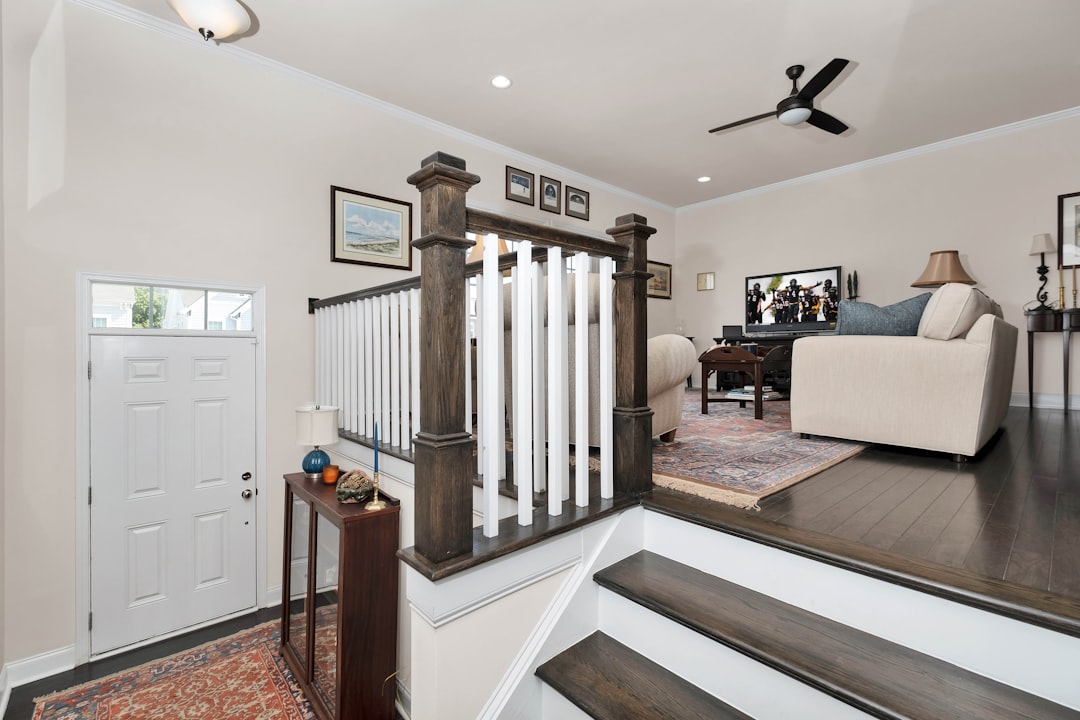
Here at ruthannallen.com, we’re not just real estate professionals; we’re Louisiana residents who understand the battle against the summer elements. We believe that a comfortable, efficient home is a valuable home, and our expertise goes beyond the transaction to help you truly thrive in your space. A home that can stand up to the climate isn’t just a shelter; it’s a sound investment and a sanctuary.
That’s why we’ve compiled our top 5 secrets—practical, high-impact strategies—to help you keep your Louisiana home cool and dry all summer long, saving you money and boosting your comfort. These aren’t just quick fixes; they are foundational principles for creating a healthier, more efficient, and more valuable home.
Key Takeaways
- AC Maintenance is Key: Regular HVAC tune-ups and smart thermostat use are foundational for both cooling and dehumidifying your home effectively.
- Control Unseen Spaces: Your attic and crawlspace are major sources of heat and moisture gain; managing them is critical to winning the summer comfort battle.
- Seal the Envelope: Air leaks are a primary cause of high energy bills and humidity problems. Sealing them offers a significant return on investment in both comfort and home value.
- Use Nature and Shade: Strategic landscaping and window treatments provide a powerful, passive defense against the sun’s intense solar heat.
- Manage Indoor Moisture: Everyday activities generate humidity; actively managing these sources reduces the strain on your AC and improves indoor air quality.
TL;DR
Keeping your Louisiana home cool and dry requires a multi-faceted approach beyond just cranking the AC. Focus on five key areas: maintaining your HVAC system, managing your attic and crawlspace, sealing air leaks, using strategic shade, and controlling indoor moisture sources. Mastering these secrets leads to greater comfort, lower energy bills, and a healthier home environment.
Secret 1: Your AC’s Efficiency Hinges on More Than Just the Unit Itself
Your AC’s efficiency hinges on more than just the unit itself; regular maintenance and smart thermostat use are non-negotiable. Many homeowners believe a powerful air conditioner is the only solution to summer heat, but its performance is directly tied to a holistic system of care and control. An unmaintained system works harder, cools less effectively, and fails to properly remove the suffocating humidity that defines a Louisiana summer.
Schedule a Professional HVAC Tune-Up
Before the summer heat truly settles in, scheduling a professional tune-up for your Heating, Ventilation, and Air Conditioning (HVAC) system is one of the wisest investments you can make. This isn’t just a cursory check-up. A qualified technician will perform a comprehensive service that includes:
- Cleaning Evaporator and Condenser Coils: Dirty coils are covered in a layer of grime that acts as an insulator, preventing the system from effectively absorbing heat from your home’s air.
- Checking Refrigerant Levels: Incorrect refrigerant levels can drastically reduce efficiency and even damage the compressor, the heart of the AC unit.
- Inspecting Ductwork for Leaks: According to ENERGY STAR, leaky ducts in attics or crawlspaces can account for as much as 20 to 30 percent of a home’s heating and cooling energy loss. A technician can identify and seal these leaks.
- Calibrating the Thermostat: Ensuring your thermostat is reading the temperature correctly is crucial for efficient operation.
The benefits are immediate: improved cooling power, better dehumidification, and a significant boost in energy efficiency. Most importantly, a professional can catch small issues like a failing capacitor or a clogged drain line before they lead to a catastrophic (and expensive) breakdown in the middle of August.
Change Your Air Filters Religiously
This is the simplest yet most frequently overlooked piece of AC maintenance. During a Louisiana summer, when your system is running almost constantly, your air filter is working overtime. A clogged filter is like trying to breathe through a straw—it severely restricts airflow. This forces the blower motor to work harder, consuming more energy and putting unnecessary strain on the entire system.
More critically for our climate, reduced airflow across the evaporator coils hampers the AC’s ability to dehumidify the air. That sticky, damp feeling you can’t seem to shake might be due to a five-dollar filter that needs changing. Make it a habit to inspect your filter monthly and replace it every 30-60 days during peak cooling season.
Use a Smart Thermostat to Your Advantage
A smart thermostat is more than a fancy gadget; it’s a command center for your home’s climate. By leveraging its features, you can optimize for both comfort and savings.
- Set It and Forget It: Constantly adjusting the thermostat up and down forces your system to play catch-up, which is highly inefficient. Set a comfortable, consistent temperature (the U.S. Department of Energy recommends 78°F when you’re home) and let the system maintain it.
- Smart Scheduling: Program the thermostat to raise the temperature by a few degrees when you’re away from home or sleeping. This simple adjustment can significantly cut down on cooling costs without sacrificing comfort when you need it.
- Humidity Control: Many modern smart thermostats have built-in hygrometers (humidity sensors) and can be programmed to run the AC to achieve a target humidity level, often independent of the temperature. This is a game-changer for Louisiana homes, as it directly addresses the moisture problem, making 78°F feel much more comfortable.
Secret 2: The Battle Is Won or Lost in Your Home’s Unseen Spaces
The battle against Louisiana humidity is often won or lost in your home’s unseen spaces, like the attic and crawlspace. These forgotten areas are major fronts in the war against heat and moisture. A blistering hot attic radiates heat downward into your living areas, while a damp, vented crawlspace actively invites humid air to infiltrate your home from below, undermining all your cooling efforts.
Master Your Attic Ventilation and Insulation
Your attic can reach temperatures of 150°F or more on a sunny summer day. This superheated air mass relentlessly radiates heat down through your ceiling, forcing your AC to work much harder to maintain a cool temperature in the rooms below. The key to mitigating this is a two-pronged approach: insulation and ventilation.
- Insulation: This acts as a thermal barrier, slowing the transfer of heat. The effectiveness of insulation is measured by its R-value; the higher the R-value, the better its thermal resistance. For Louisiana attics, ENERGY STAR recommends an R-value between R-30 and R-60.
- Ventilation: Proper ventilation creates a continuous flow of air that pushes hot, moist air out of the attic. This is typically achieved with a system of soffit vents (intake) under the eaves and ridge vents (exhaust) at the peak of the roof. This natural airflow prevents heat buildup and moisture condensation that can lead to mold and rot.
This entire process is driven by a powerful force known as the “stack effect,” where hot air naturally rises. A well-ventilated attic harnesses this effect to your advantage, pulling in cooler outdoor air from below and exhausting hot air from the top.
Encapsulate or Dehumidify Your Crawlspace
For decades, building codes mandated vented crawlspaces with the idea that airflow would keep them dry. In a humid climate like Louisiana’s, this has the opposite effect. It’s like opening a window to a sauna. These vents allow warm, moisture-laden air to enter the space under your home, where it condenses on cooler surfaces like ductwork, plumbing, and floor joists. This creates a perfect breeding ground for mold, mildew, and wood rot, and that musty air can be pulled up into your living space.
The modern solution is to seal and condition the crawlspace:
- Vapor Barrier: At a minimum, a thick plastic vapor barrier (at least 6-mil) should be laid across the entire dirt floor and sealed at the seams and foundation walls. This stops moisture from evaporating from the ground into the crawlspace air.
- Full Encapsulation: The gold standard is to completely seal the crawlspace. This involves covering the ground and foundation walls with a heavy-duty vapor barrier, sealing all vents and air leaks, and insulating the foundation walls.
- Dehumidification: Once sealed, a dedicated crawlspace dehumidifier is installed to actively remove any remaining moisture from the air, creating a clean, dry, and conditioned space that becomes an asset to your home rather than a liability.
Secret 3: Seal Air Leaks to Lower Bills and Improve Comfort
Sealing air leaks around your home is one of the most cost-effective ways to immediately lower cooling bills and improve comfort. Every tiny crack, gap, and unsealed penetration in your home’s “building envelope” is an open invitation for hot, humid summer air to get in and expensive conditioned air to get out. Think of it as trying to keep a boat bailed out while it’s full of holes. Sealing those holes is your first and most important task.
Conduct a DIY Home Energy Audit
You don’t need expensive equipment to find the biggest air leaks in your home. A simple visual inspection and a bit of detective work can reveal the primary culprits.
- Check Obvious Areas: Start with windows and doors. Look for daylight around the frames. Check if the weatherstripping is cracked, compressed, or missing.
- Inspect Penetrations: Look where pipes, wires, and vents enter or exit your home, both inside and out. Gaps around plumbing under sinks, electrical outlets on exterior walls, and dryer vents are common leakage points.
- Use the Incense Stick Test: On a calm day, close all windows and doors and turn off your AC. Light a stick of incense and hold it near potential leak areas. If the smoke is drawn into or pushed away from the wall, you’ve found an air leak.
Use Caulk and Weatherstripping to Seal Gaps
Once you’ve identified the leaks, the fixes are often surprisingly simple and inexpensive.
| Material | Best Use Case |
|---|---|
| Caulk | For sealing stationary gaps and cracks less than 1/4-inch wide. |
| Weatherstripping | For sealing moving parts, such as the operational edges of doors and windows. |
| Foam Sealant | For filling larger gaps, especially around plumbing and electrical penetrations. |
Focus your efforts on sealing the attic floor penetrations (around light fixtures, plumbing stacks) and the “rim joist” area where the foundation meets the wood framing of your house. These two areas often represent the largest sources of air leakage in a home.
The Real Estate Advantage: How a Sealed Home Increases Value
As real estate professionals at ruthannallen.com, we see firsthand how a well-maintained, energy-efficient home commands a higher value. Sealing the building envelope is more than a comfort upgrade; it’s a direct investment in your property’s worth. Documenting these improvements and highlighting lower utility bills is a powerful selling point that showcases a home’s quality and the care taken by its owner. It directly impacts its marketability and appeal to savvy buyers who understand the long-term cost of ownership.
Secret 4: Use Landscaping and Windows as Your First Line of Defense
Strategic landscaping and window treatments can act as your home’s first line of defense against the intense summer sun. Before your AC even has to turn on, you can block a significant amount of solar heat gain from ever reaching your home’s interior. This passive cooling approach reduces the overall load on your mechanical systems, saving energy and money while increasing comfort.
Plant for Shade
The sun is not your friend during a Louisiana summer, especially the intense afternoon sun that strikes the west-facing side of your home. Planting trees is a long-term strategy that pays dividends for decades.
- Choose Deciduous Trees: Plant deciduous trees (those that lose their leaves in the fall) on the south and west sides of your home. They will provide dense shade during the hot summer months, but in the winter, their bare branches will allow warming sunlight to pass through, helping to heat your home naturally.
- Strategic Placement: A well-placed tree can reduce the surrounding air temperature by as much as 6°F, according to the U.S. Department of Agriculture. Planting them to shade your air conditioner’s outdoor condenser unit can also improve its efficiency by up to 10%.
Upgrade Your Window Coverings
A significant amount of heat enters your home directly through its windows. Upgrading your window treatments is a quick and effective way to combat this solar heat gain.
- Thermal Curtains: These curtains have a special backing that reflects solar radiation, preventing it from heating your room. For best results, choose a light color to reflect the most heat.
- Cellular Shades: Also known as honeycomb shades, these create insulating pockets of air that slow the transfer of heat. They are one of the most energy-efficient window coverings available.
- Exterior Solar Screens: These mesh screens are installed on the outside of your windows and can block up to 90% of the sun’s energy before it even hits the glass, making them incredibly effective.
Regardless of the type you choose, the most important habit is to keep them closed on south- and west-facing windows during the hottest parts of the day.
Secret 5: Manage Indoor Moisture to Protect Your Home and AC
Managing indoor moisture sources is crucial for not only comfort but also for protecting your home’s health and your AC’s longevity. While we spend a lot of time fighting the humidity outside, everyday activities like cooking, showering, and even breathing generate a significant amount of moisture inside. This internal humidity load adds to your AC’s workload and can create an environment where mold and mildew thrive.
Ventilate While Cooking and Bathing
Two of the biggest sources of indoor humidity are the kitchen and the bathroom. A single hot shower can release a pint of water into the air. Boiling a pot of pasta releases even more.
- Use Your Exhaust Fans: Always use the exhaust fan in your bathroom during and for at least 20 minutes after a shower. In the kitchen, use the range hood fan whenever you are cooking, especially when boiling or steaming.
- Ensure They Vent Outside: It’s critical to verify that these fans actually vent to the exterior of your home. In some cases, especially in older homes, fans may simply vent into the attic, which just moves the moisture problem to another part of your house.
Check for Leaks and Manage Indoor Plants
Persistent, low-level moisture sources can be just as damaging over time.
- Slow Leaks: A slow drip under a sink or a leaky toilet flange can add a surprising amount of moisture to the air and subfloor. Regularly inspect plumbing fixtures for any signs of water.
- Indoor Plants: While beautiful, houseplants release moisture through a process called transpiration. Grouping many plants together can create a humid micro-climate. Ensure good air circulation around them and avoid overwatering.
Consider a Whole-Home or Portable Dehumidifier
In Louisiana’s climate, even a high-efficiency air conditioner running perfectly may struggle to keep indoor humidity below the recommended 50% threshold, especially during milder, rainy periods when the AC doesn’t run as often. In these cases, a dedicated dehumidifier is the answer.
- Portable Dehumidifiers: These are great for targeting specific problem areas, like a damp basement or a musty bedroom.
- Whole-Home Dehumidifiers: These units integrate directly with your HVAC system to treat the air in your entire house. They provide superior comfort and control, allowing you to feel comfortable at a higher thermostat setting, which saves significant energy.
Your Cool, Dry Oasis Awaits
Creating a truly comfortable Louisiana home is about working smarter, not just turning the thermostat lower. By embracing these five secrets, you can build a comprehensive defense against the summer heat and humidity. It starts with optimizing your most powerful tool—your AC—through diligent maintenance. Then, you must gain control over the unseen battlegrounds of your attic and crawlspace. From there, you seal your home’s envelope against infiltration, use the power of shade to your advantage, and actively manage the moisture you create indoors.
Implementing these strategies will lead to more than just lower energy bills. You’ll enjoy a more comfortable, healthier living environment. These improvements are also smart investments that enhance your property’s durability and value, a principle we champion at ruthannallen.com. For more insights on maintaining and improving your home’s value, feel free to explore the many resources available across our website.