Welcoming front porch of a classic Louisiana-style home, with rocking chairs shaded from the bright summer sun.

5 Secrets to Keeping Your Louisiana Home Cool and Dry This Summer

5 Secrets to Keeping Your Louisiana Home Cool and Dry This Summer

Step outside on a July morning in Louisiana, and it hits you instantly: that thick, soupy air you can practically wear. The sun beats down with relentless intensity, and by noon, your air conditioner is locked in a heroic battle against the elements. Then comes the shock of the monthly energy bill, a painful reminder of the cost of comfort. Here, fighting the heat is only half the challenge; the real war is waged against the oppressive humidity that seeps into everything.

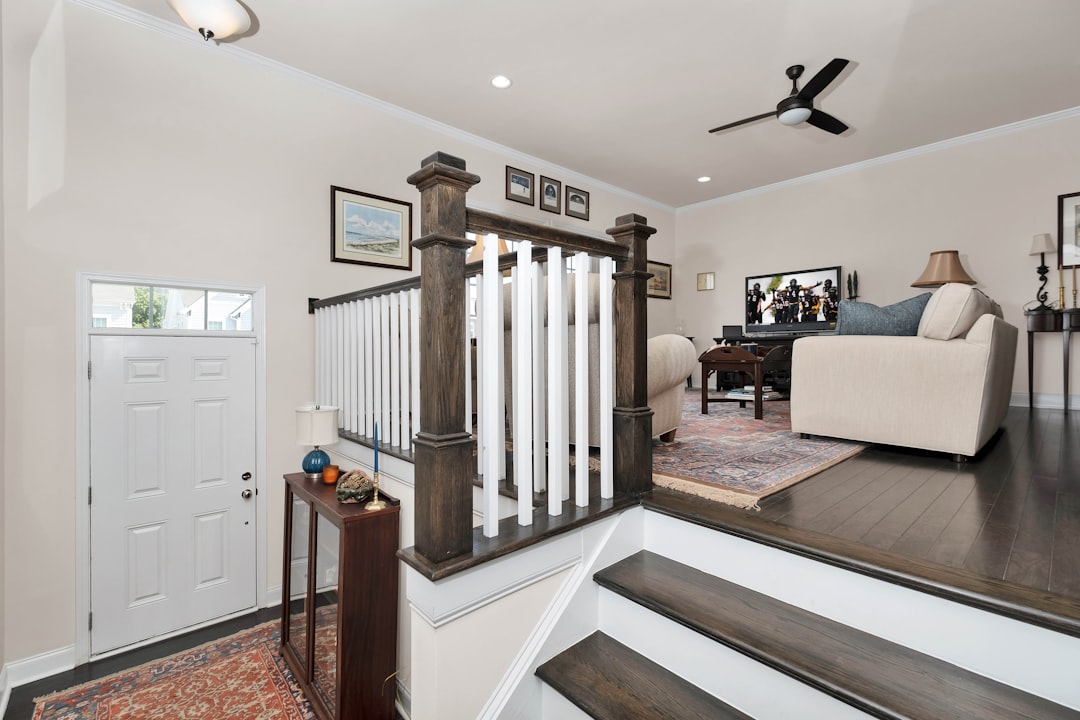
A cool and airy living room interior with a modern ceiling fan, representing a comfortable escape from summer heat.

Here at ruthannallen.com, we’re not just real estate professionals; we’re Louisiana residents who understand the battle against the summer elements. We believe that a comfortable, efficient home is a valuable home, and our expertise goes beyond the transaction to help you truly thrive in your space. A home that can stand up to the climate isn’t just a shelter; it’s a sound investment and a sanctuary.

That’s why we’ve compiled our top 5 secrets—practical, high-impact strategies—to help you keep your Louisiana home cool and dry all summer long, saving you money and boosting your comfort. These aren’t just quick fixes; they are foundational principles for creating a healthier, more efficient, and more valuable home.

Key Takeaways

  • AC Maintenance is Key: Regular HVAC tune-ups and smart thermostat use are foundational for both cooling and dehumidifying your home effectively.
  • Control Unseen Spaces: Your attic and crawlspace are major sources of heat and moisture gain; managing them is critical to winning the summer comfort battle.
  • Seal the Envelope: Air leaks are a primary cause of high energy bills and humidity problems. Sealing them offers a significant return on investment in both comfort and home value.
  • Use Nature and Shade: Strategic landscaping and window treatments provide a powerful, passive defense against the sun’s intense solar heat.
  • Manage Indoor Moisture: Everyday activities generate humidity; actively managing these sources reduces the strain on your AC and improves indoor air quality.

TL;DR

Keeping your Louisiana home cool and dry requires a multi-faceted approach beyond just cranking the AC. Focus on five key areas: maintaining your HVAC system, managing your attic and crawlspace, sealing air leaks, using strategic shade, and controlling indoor moisture sources. Mastering these secrets leads to greater comfort, lower energy bills, and a healthier home environment.


Secret 1: Your AC’s Efficiency Hinges on More Than Just the Unit Itself

Your AC’s efficiency hinges on more than just the unit itself; regular maintenance and smart thermostat use are non-negotiable. Many homeowners believe a powerful air conditioner is the only solution to summer heat, but its performance is directly tied to a holistic system of care and control. An unmaintained system works harder, cools less effectively, and fails to properly remove the suffocating humidity that defines a Louisiana summer.

Schedule a Professional HVAC Tune-Up

Before the summer heat truly settles in, scheduling a professional tune-up for your Heating, Ventilation, and Air Conditioning (HVAC) system is one of the wisest investments you can make. This isn’t just a cursory check-up. A qualified technician will perform a comprehensive service that includes:

  • Cleaning Evaporator and Condenser Coils: Dirty coils are covered in a layer of grime that acts as an insulator, preventing the system from effectively absorbing heat from your home’s air.
  • Checking Refrigerant Levels: Incorrect refrigerant levels can drastically reduce efficiency and even damage the compressor, the heart of the AC unit.
  • Inspecting Ductwork for Leaks: According to ENERGY STAR, leaky ducts in attics or crawlspaces can account for as much as 20 to 30 percent of a home’s heating and cooling energy loss. A technician can identify and seal these leaks.
  • Calibrating the Thermostat: Ensuring your thermostat is reading the temperature correctly is crucial for efficient operation.

The benefits are immediate: improved cooling power, better dehumidification, and a significant boost in energy efficiency. Most importantly, a professional can catch small issues like a failing capacitor or a clogged drain line before they lead to a catastrophic (and expensive) breakdown in the middle of August.

Change Your Air Filters Religiously

This is the simplest yet most frequently overlooked piece of AC maintenance. During a Louisiana summer, when your system is running almost constantly, your air filter is working overtime. A clogged filter is like trying to breathe through a straw—it severely restricts airflow. This forces the blower motor to work harder, consuming more energy and putting unnecessary strain on the entire system.

More critically for our climate, reduced airflow across the evaporator coils hampers the AC’s ability to dehumidify the air. That sticky, damp feeling you can’t seem to shake might be due to a five-dollar filter that needs changing. Make it a habit to inspect your filter monthly and replace it every 30-60 days during peak cooling season.

Use a Smart Thermostat to Your Advantage

A smart thermostat is more than a fancy gadget; it’s a command center for your home’s climate. By leveraging its features, you can optimize for both comfort and savings.

  • Set It and Forget It: Constantly adjusting the thermostat up and down forces your system to play catch-up, which is highly inefficient. Set a comfortable, consistent temperature (the U.S. Department of Energy recommends 78°F when you’re home) and let the system maintain it.
  • Smart Scheduling: Program the thermostat to raise the temperature by a few degrees when you’re away from home or sleeping. This simple adjustment can significantly cut down on cooling costs without sacrificing comfort when you need it.
  • Humidity Control: Many modern smart thermostats have built-in hygrometers (humidity sensors) and can be programmed to run the AC to achieve a target humidity level, often independent of the temperature. This is a game-changer for Louisiana homes, as it directly addresses the moisture problem, making 78°F feel much more comfortable.

Secret 2: The Battle Is Won or Lost in Your Home’s Unseen Spaces

The battle against Louisiana humidity is often won or lost in your home’s unseen spaces, like the attic and crawlspace. These forgotten areas are major fronts in the war against heat and moisture. A blistering hot attic radiates heat downward into your living areas, while a damp, vented crawlspace actively invites humid air to infiltrate your home from below, undermining all your cooling efforts.

Master Your Attic Ventilation and Insulation

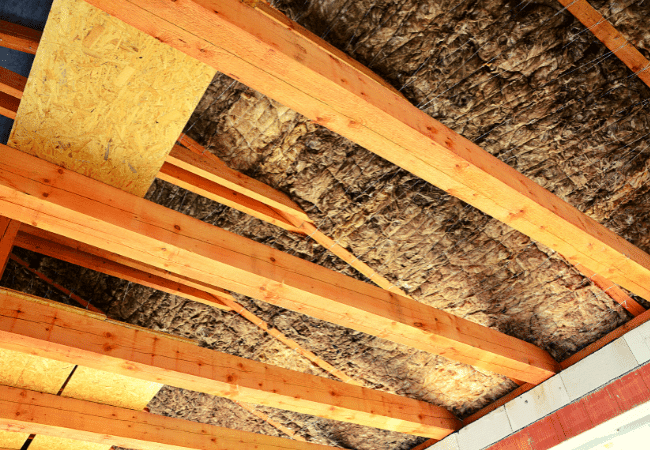
Your attic can reach temperatures of 150°F or more on a sunny summer day. This superheated air mass relentlessly radiates heat down through your ceiling, forcing your AC to work much harder to maintain a cool temperature in the rooms below. The key to mitigating this is a two-pronged approach: insulation and ventilation.

  • Insulation: This acts as a thermal barrier, slowing the transfer of heat. The effectiveness of insulation is measured by its R-value; the higher the R-value, the better its thermal resistance. For Louisiana attics, ENERGY STAR recommends an R-value between R-30 and R-60.
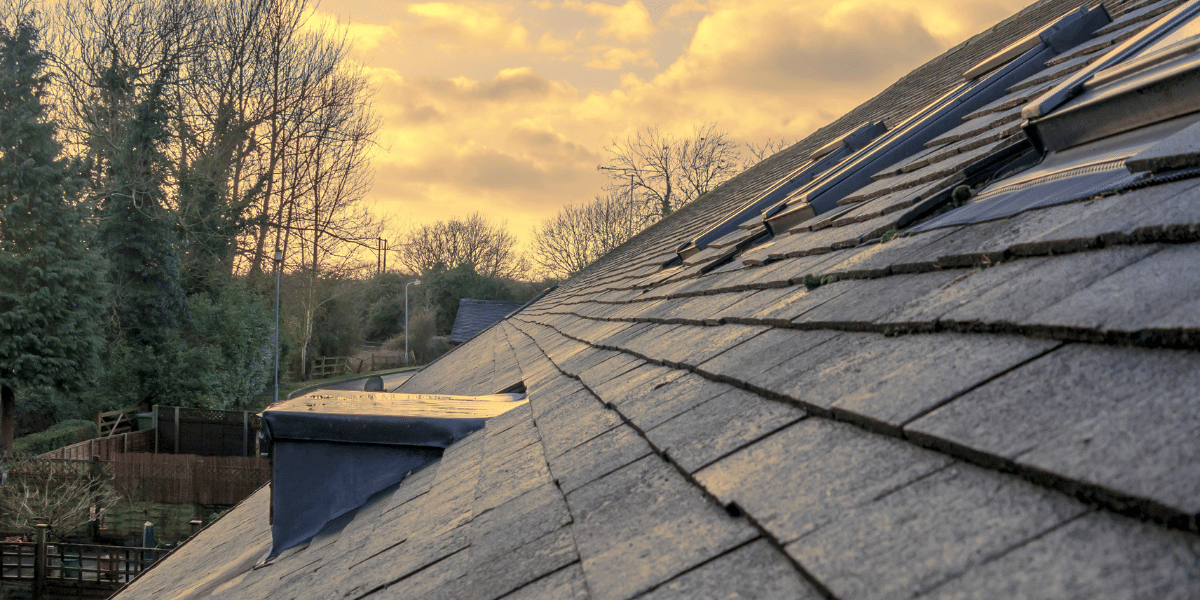
  • Ventilation: Proper ventilation creates a continuous flow of air that pushes hot, moist air out of the attic. This is typically achieved with a system of soffit vents (intake) under the eaves and ridge vents (exhaust) at the peak of the roof. This natural airflow prevents heat buildup and moisture condensation that can lead to mold and rot.

This entire process is driven by a powerful force known as the “stack effect,” where hot air naturally rises. A well-ventilated attic harnesses this effect to your advantage, pulling in cooler outdoor air from below and exhausting hot air from the top.

Encapsulate or Dehumidify Your Crawlspace

For decades, building codes mandated vented crawlspaces with the idea that airflow would keep them dry. In a humid climate like Louisiana’s, this has the opposite effect. It’s like opening a window to a sauna. These vents allow warm, moisture-laden air to enter the space under your home, where it condenses on cooler surfaces like ductwork, plumbing, and floor joists. This creates a perfect breeding ground for mold, mildew, and wood rot, and that musty air can be pulled up into your living space.

The modern solution is to seal and condition the crawlspace:

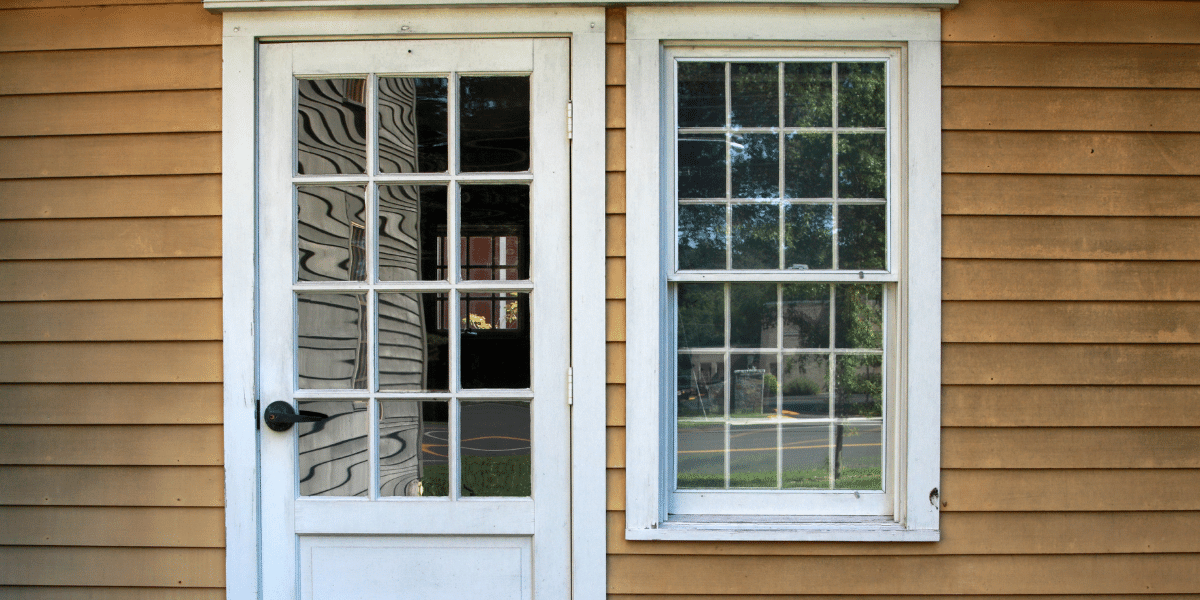
Close-up of condensation on a clean window pane, looking out onto a lush, green, and humid summer landscape, symbolizing the battle against moisture.

  • Vapor Barrier: At a minimum, a thick plastic vapor barrier (at least 6-mil) should be laid across the entire dirt floor and sealed at the seams and foundation walls. This stops moisture from evaporating from the ground into the crawlspace air.
  • Full Encapsulation: The gold standard is to completely seal the crawlspace. This involves covering the ground and foundation walls with a heavy-duty vapor barrier, sealing all vents and air leaks, and insulating the foundation walls.
  • Dehumidification: Once sealed, a dedicated crawlspace dehumidifier is installed to actively remove any remaining moisture from the air, creating a clean, dry, and conditioned space that becomes an asset to your home rather than a liability.

Secret 3: Seal Air Leaks to Lower Bills and Improve Comfort

Sealing air leaks around your home is one of the most cost-effective ways to immediately lower cooling bills and improve comfort. Every tiny crack, gap, and unsealed penetration in your home’s “building envelope” is an open invitation

Read More
Minimalist photo showing two stacks of coins of unequal height on a bright, clean background, visually comparing the costs...

A Columbus Home Seller’s Comparison: Traditional 6% Commissions vs. the 1 Percent Lists Indiana Model

A Columbus Home Seller’s Comparison: Traditional 6% Commissions vs. the 1 Percent Lists Indiana Model

For every homeowner in Columbus, Indiana, the journey to selling their property inevitably begins with a single, critical question: “How can I maximize the profit from my home sale?” This question is immediately followed by an analysis of the single largest expense in the transaction—the real estate commission. As a trusted real estate resource in the Columbus community, ruthannallen.com is committed to providing homeowners with the clarity and expert guidance needed to navigate the complexities of the modern real estate market. The landscape of agent compensation is evolving, and understanding your options is the first step toward a successful and profitable sale.

A close-up shot of a hand carefully placing a coin into a white, house-shaped piggy bank, symbolizing the savings and profit maximization from a home sale.

This article provides a transparent, in-depth comparison of the traditional 6% commission structure and the 1 Percent Lists Indiana model. Our goal is to empower you with the knowledge to make an informed decision that aligns perfectly with your financial goals and service expectations.

Key Takeaways

  • Traditional 6% Model: This is a full-service package where the commission is typically split between the listing and buyer’s agents, covering comprehensive marketing, expert negotiation, and complete transaction management from start to finish.
  • 1 Percent Lists Model: This is a lower-cost alternative where the listing agent charges a 1% fee. However, sellers must be clear on what services are included and understand that the total commission will be higher once the buyer’s agent fee is added.
  • The True Cost: The best model isn’t just about the lowest percentage. It’s about the one that yields the highest net proceeds after factoring in the final sale price, days on market, and the level of service required to achieve those results.
  • Your Choice Matters: The right choice for a Columbus seller depends on their specific property, the current local market conditions, and their personal preference for hands-on support versus upfront cost savings.

TL;DR

For Columbus home sellers, the choice between a traditional 6% commission and a 1% listing model hinges on a trade-off between cost and comprehensive service. The 6% model is typically all-inclusive, offering robust marketing and dedicated agent support, while the 1% model provides significant savings on the listing side but may require sellers to pay for additional services or take a more active role. The best option depends on your specific needs and the strategy that will ultimately net you the most money at closing.


The Traditional 6% Commission Model is a long-standing industry standard that splits the fee between the buyer’s and seller’s agents for comprehensive service.

For decades, the full-service commission model has been the bedrock of the residential real estate industry. It’s designed as an all-inclusive fee that covers the extensive work, marketing investment, and expertise required to guide a property from listing to a successful closing.

How the 6% Commission is Typically Structured

The 6% figure is not a single payment to one agent. It is almost always split between the two brokerages involved in the transaction.

  • Listing Agent’s Brokerage: Typically receives 3% of the sale price. This compensates the agent and their brokerage for marketing the home, advising the seller, negotiating offers, and managing the entire contract-to-close process.
  • Buyer’s Agent’s Brokerage: Typically receives the other 3%. This is the fee you, the seller, offer to incentivize agents to bring their qualified buyers to your property. It compensates them for their time, expertise, and effort in representing the buyer’s interests.

It’s crucial to note that commission rates are not fixed by law and are negotiable. While rates can vary, the 5-6% range has long been a common benchmark for a full-service package in the real estate industry.

What Services are Generally Included in a Full-Service 6% Commission?

The “full-service” promise is comprehensive. This commission structure is built to provide sellers with a hands-off, professionally managed experience. Services typically include:

  • In-Depth Market Analysis: A detailed comparative market analysis (CMA) to establish a strategic and competitive list price.
  • Professional Staging Advice & Photography: Guidance on preparing the home for sale, followed by high-quality, professional photos and often video or virtual tours.
  • Extensive Marketing Strategy: A multi-channel plan that includes listing on the Multiple Listing Service (MLS), syndication to major real estate portals (like Zillow and Realtor.com), professional yard signs, high-quality print flyers, and often social media advertising.
  • Showings & Open House Management: Coordinating and managing all property showings with buyers’ agents and hosting open houses to maximize exposure.
  • Expert Negotiation: Skillfully negotiating offers, counter-offers, and inspection-related requests to secure the best possible price and terms for the seller.
  • Full Transaction Coordination: Managing all the paperwork, deadlines, and communication with the buyer’s agent, lender, title company, and inspectors from the accepted contract all the way to the closing table.

The Pros and Cons for a Columbus Home Seller

Pros of the 6% Model Cons of the 6% Model
Maximum Convenience & Support: The agent handles nearly every aspect of the sale. Highest Commission Cost: This is the most expensive option, directly impacting net proceeds.
Robust Marketing: A larger budget and plan designed to attract the widest pool of qualified buyers. Potential for Less Flexibility: The model is structured and may be less “a la carte” than other options.
Expert Guidance: Continuous access to a professional for advice and problem-solving.
Potentially Higher Sale Price: Broader market exposure and expert negotiation can often lead to a higher final sale price.

The 1 Percent Lists Indiana Model offers a significantly lower listing fee, but sellers must understand the specific services included and the total commission paid.

A new wave of brokerage models has emerged to challenge the traditional structure, with the 1 Percent Lists Indiana model, known for disrupting the traditional commission structure, gaining attention from cost-conscious sellers. This model’s primary appeal is its promise of a lower listing fee, but it’s essential to look past the headline number.

Deconstructing the 1% Model: How It Really Works

The most critical point to understand is that the 1% fee applies only to the listing agent’s side of the commission. To attract buyers, a seller must still offer a competitive commission to the buyer’s agent.

  • Listing Fee: 1% of the sale price goes to the listing brokerage.
  • Buyer’s Agent Fee: You, the seller, will still need to offer a commission to the agent who brings the buyer. This is typically 2.5% to 3% in the Columbus market.
  • Total Commission: Therefore, the total commission paid by the seller is realistically in the 3.5% to 4% range, not a flat 1%.

This is a significant savings compared to 6%, but it’s not the 1% figure that some sellers might initially assume covers the entire transaction.

A La Carte vs. Full Service: What’s Included and What Might Cost Extra?

To offer a lower fee, these models often streamline their services. The base 1% fee typically covers the essentials, such as an MLS listing and syndication to online portals. However, services that are standard in a traditional model may be offered as “add-ons” for an additional fee or may not be offered at all. These can include:

  • Professional photography and videography
  • Open house coordination
  • Premium marketing materials (e.g., glossy flyers)
  • A dedicated showing service to manage appointments
  • In-depth negotiation support beyond the initial offer

It’s vital to get a clear, itemized list of what is—and is not—included in the base fee.

Potential Benefits and Drawbacks of the 1% Approach

Benefits of the 1% Model Drawbacks of the 1% Model
Substantial Cost Savings: The primary benefit is the significant equity savings offered by 1 Percent Lists Indiana on the listing side, leaving more money in your pocket. Potentially Less Marketing: The marketing plan may be less comprehensive, potentially reaching a smaller audience.
Flexibility: Sellers can sometimes choose to pay for only the services they believe they need. Higher Seller Workload: You may need to be more involved in scheduling, preparing for showings, or other tasks.
Appealing in a Hot Market: If your home is in high demand, a basic marketing package may be sufficient. Risk of “Hidden” Fees: Add-on costs for essential services can reduce the initially perceived savings.

A direct cost comparison reveals significant potential savings, but the net proceeds depend on the final sale price and services rendered.

Numbers on a page can seem abstract, so let’s apply these models to a realistic scenario for a home in Columbus, Indiana. The math highlights the potential savings, but it also sets the stage for the more important question of overall value.

The Math: A Side-by-Side Scenario for a Columbus, Indiana Home

Let’s assume a hypothetical sale price of $275,000, a common price point in the local market.

A professional flat lay of house keys and a calculator on a modern desk, representing the financial decision-making process for a home seller in Columbus.

Commission Model Calculation Total Commission Potential Seller Savings
Traditional 6% $275,000 x 6% $16,500 (Baseline)
1% Model (4% Total) $275,000 x (1% + 3%) $11,000 $5,500

On paper, the choice seems obvious. A savings of $5,500 is a substantial amount of money that could be used for a down payment on a new home, moving expenses, or any number of other goals. However, this calculation only holds …

Read More
Person calculating a lien and back taxes with a small wooden house in the background.

Selling a House with Liens or Back Taxes: Your Guide to a Smooth Sale

Selling a house with liens or back taxes is a challenging task, but it’s not a dead end. This guide will show you how to navigate these obstacles and sell your house smoothly, even with these financial burdens. With the right approach, you can turn these challenges into opportunities and sell your house with confidence.

Understanding Liens and Back Taxes

First, let’s clarify what these terms mean. A lien is a legal claim on your property used by creditors as security for an unpaid debt. For example, if you didn’t pay a contractor, they might place a lien on your home. Common types of liens include tax liens, mechanic’s liens, and judgment liens.

Back taxes, however, are unpaid property taxes you owe to your local or state government. When these taxes go unpaid, they accrue interest and penalties, becoming a significant financial burden. In extreme cases, the government can place a tax lien on your property.

These financial issues make selling your house more complicated because they have to be resolved before transferring ownership. However, with the right approach, you can handle them efficiently.

Two professionals smiling at a desk, reviewing documents and using a computer.

Why Selling with Liens or Back Taxes Is Challenging

Buyers are often reluctant to purchase a house with liens or back taxes attached. These financial burdens don’t transfer to the new owner but add uncertainty and complexity to the transaction. Many buyers avoid these properties altogether, fearing delays or complications.

Moreover, liens can make it challenging to get a clear title, which is essential for any real estate transaction. Without a clear title, the sale process can’t move forward, and many traditional buyers won’t even consider your property.

Your Options for Selling a House with Liens or Back Taxes

Fortunately, several options can help you sell your house, even with liens or back taxes. Here’s a step-by-step guide on how to navigate the process:

1. Identify All Outstanding Liens and Tax Issues

Start by identifying every lien or back tax issue attached to your property. You can request a title report listing all liens and financial claims against your property. This step is essential, as you need a clear picture of what you owe before moving forward.

2. Contact Your Lienholders or Tax Authority

Once you know the amount owed, contact the lienholders or tax authorities. Explain your situation and ask about your options. Sometimes, they’re willing to negotiate a lower payoff amount, especially if you’re in a tight financial spot. This step can significantly reduce the financial burden and make your property more appealing to potential buyers.

3. Consider a Short Sale

If your debts exceed the value of your house, a short sale might be an option. In a short sale, your lender agrees to let you sell the house for less than you owe. This process can be lengthy, but it’s a way to avoid foreclosure and resolve your debts. If you consider this route, it’s crucial to get professional guidance, as short sales involve complex negotiations.

4. Sell Your House As-Is to a Cash Buyer

If you want to avoid dealing with liens, back taxes, or the hassle of negotiating, selling your house as-is to a cash buyer might be the best option. Cash buyers often specialize in purchasing properties with financial complications, making the process quick and straightforward. While you may not get the highest possible price, you gain the advantage of a fast, hassle-free transaction.

You can compare the benefits of this method by reading more about the most important aspects to consider before selling your house, especially when dealing with complex financial issues.

5. Pay Off Liens or Taxes Before Listing

Pay off your liens or back taxes before listing your house. This approach ensures a smoother sale and makes your property more attractive to traditional buyers. Many sellers use savings, refinancing, or borrowing money to clear their debts upfront. While it requires some financial investment, it often leads to a higher selling price and a quicker sale.

The Crucial Role of Real Estate Professionals in Your Sale

Engaging a real estate agent experienced with properties facing liens or back taxes can be incredibly beneficial. They understand the intricacies of these transactions and can guide you through negotiations, paperwork, and finding the right buyer. Look for agents who have successfully handled similar situations and have local expertise, as they’ll know how to navigate the specific laws and regulations in your area.

Understanding the Impact on Your Sale Price

Properties with liens or back taxes often sell for less than market value. Buyers view these issues as risks; many expect a discount to compensate for the complications. However, the extent of this discount depends on the size of your debt, the property’s condition, and the local real estate market.

How to Maximize Your Chances of a Smooth Sale

While selling a house with liens or back taxes is more challenging, there are ways to improve your chances of a successful sale:

  1. Be Transparent: Disclose all lien or tax issues to potential buyers upfront. This open and honest approach builds trust and respect, preventing any surprises or complications during the closing process.
  2. Stay Organized: Keep all documents related to your liens, taxes, and mortgage in one place. This readily available information speeds up the process and shows buyers you’re serious about resolving the issues.
  3. Price Your Home Competitively: Understand your home’s value and set a price that reflects its condition and financial obligations. Pricing too high will scare off buyers, while pricing competitively attracts interest.
  4. Highlight Your Home’s Strengths: Focus on your property’s positive features, such as location, size, or unique characteristics. Emphasizing these qualities can help buyers see past the financial issues.
Person calculating a lien and back taxes next to small wooden house models and stacked coins.

What to Expect During the Closing Process

Expect some extra steps when selling a house with liens or back taxes. You’ll need to settle these debts before the sale can be finalized. The title company will handle this process, ensuring all liens are paid off from the sale proceeds. Any remaining funds go to you, minus other selling costs.

Working closely with your real estate agent, attorney, or title company throughout this process is wise. Their expertise ensures that all debts are correctly resolved and the sale moves forward without unexpected delays.

Read about common homeowner responsibilities for more insights into homeownership challenges and how to handle them. Understanding these nuances helps prepare you for future property transactions.

Final Thoughts

Selling a house with liens or back taxes isn’t easy, but it’s achievable with the right approach. Whether you negotiate with creditors, pay off your debts, or sell as-is to a cash buyer, options are available. Take the time to explore each one and make the best decision for your situation.

Remember, this process may take more effort and time than a typical sale, but you can navigate it successfully by staying informed, organized, and proactive. With a clear plan, you’ll be on your way to a smooth sale, even when facing financial obstacles.

Read More
The 3 Most Important Things to Consider Before Buying a House

The 3 Most Important Things to Consider Before Buying a House

You’re likely going to look at multiple homes before finding the one. Most people have to think and consider a lot before they can decide which house is the right one for them. The more options available, the more difficult this process becomes. But don’t fret.

And while you still need to understand all of the responsibilities of homeownership, prioritizing the top three factors will simplify your life.

1. Price

When buying a house, the first thing to consider is price. It’s important to set a budget that is realistic and to stick to it when you are house hunting. It’s easy to fall in love with a home that is beyond your budget, but this can cause financial stress.

Calculate how much home you can afford, based on your financial goals, income, and expenses. To get a better idea of your budget, consult a mortgage lender and be pre-approved.

Keep in mind these key points when determining the price of your home.

The sticker price

You’re likely already comparing prices if you’ve identified a few homes that you are interested in. It’s not only about whether each house fits into your budget. The value they provide is also important. If the sticker price is higher for one house, but the home that costs less requires more work, then the cost may balance. With the help of a real estate expert, weigh your options against your budget to determine the best option.

Cost of home ownership

You should remember that the purchase price only represents a small part of the costs of homeownership. Budget for maintenance, utilities, property taxes, homeowners insurance, homeowners association dues, and homeowners insurance if applicable. You can do some research on the costs of these items and include them in your budget to avoid surprises.

Negotiation

The price on a property’s sticker is not always fixed. Working with your agent, you can negotiate the best price possible using comparable homes and current market conditions. Working with a real estate agent who is knowledgeable is important. They can provide you with detailed information about the home you’ve chosen, the location and the market, and they will help you create the most competitive bid.

location of the home

2. Location

The location is often cited as the most important characteristic of a property. This is for good reason. Your choice of the best neighborhoods can have a significant impact on your future property value and your quality of living. Location will also affect other factors in this list such as the sticker cost of your home, HOA fees and rules, and more. Consider these factors:

Accessibility and commute

Imagine yourself in your home and how you live every day. Imagine your daily commute, whether it’s to school, work or any other important destination. Will you be stuck in traffic for hours if this is the location? Consider the proximity of your home to highways and major roads, as well as public transportation.

Features, amenities, and factors of the neighborhood

Consider the surrounding amenities when evaluating a house, such as schools, parks and restaurants. This information can be used to determine which home best suits your lifestyle and preferences.

Consider other neighborhood features such as crime rates, school districts and flood zones. Consider these factors if they will have a major impact on your life.

Future development

It is recommended that, when you purchase a house, you live in it for a minimum of two years. More time is even better. It will help you build equity as you pay off your mortgage and you won’t have to pay capital gains tax when you decide to sell.

You should have a positive outlook on the future of this area and be aware that it may undergo significant changes in the next two years. If you want a place that will remain the same or see property values rise, then you may want to consider another area. Some developments may even hurt the value of your property if they cause more noise or change the aesthetics in an area. Do some research before you make a decision.

home features

3. Home Features

After you have narrowed your budget down and selected a location that is desirable, it is time to look at the features of the house itself. It may seem obvious, but a home doesn’t need to be upgraded with every upgrade you can think of. Consider how the features of the home (including its size, number and type of bedrooms, outdoor area, etc.) will meet or not meet your needs.

Consider these key points:

Size and layout

When comparing houses, consider the layout and size of each. Does it meet your current and future needs, such as an expanding family or remote working requirements? What is your ideal number of bedrooms and bathrooms? Flex space is a good option. They are not only the most basic, but also the most crucial features because they will affect many aspects of your everyday life.

Condition

The condition of a house will influence both the price it is sold at and the costs to make it habitable in the future. You should therefore inspect the condition of the property carefully. A thorough home inspection will reveal hidden problems so that you can include their costs in your budget, even if you are looking for a fixer upper. Just make sure you know how much that bathroom renovation is gonna cost you before you buy.

Must-have characteristics

The bells and whistles are now yours to choose. Make a list of the features you want and need in a house before you consider purchasing it. You can list things like a particular style of architecture or smart home technology. It could also include outside space, different types of finishes and more. Try to keep your “must have” list as short as possible. You will have a better chance to find a house that suits your needs and is within your budget.

Have your list? Compare the house you are looking at with the list to see which one is better.…

Read More
Bathroom Design

Renovating the Bathroom: Six Quick Tips

Bathroom Remodel Recommendations

Yes sure a few individuals may well just look at your bathroom like simply a bath room, however to you…it’s your sanctuary. And yet then again perhaps your own is not living up to expectations. In other words, it’s time for a redesign.

Plumbers, contractors and expenses expenses bills, still you have this one all on your own. Let me show you six strategies to make it more painless.

Can You Finance The Reno?

Regardless of whether it’s big or little, you should continuously verify you’ll have sufficient funds before embarking on any room remodeling work. With general spending extending from $10,000 as renovations to bathroommuch as or even over, 23k, you’ve got to prepare in advance. Word of advice…ensure you have allocated enough to tackle the task at hand.

Then again hold just one moment. Were you contemplating moving in the not too distant future? Maybe you want to reconsider the reno then. Perhaps however if it helps improve the value of home you will need to think about this as well. Oftentimes buyers of property look at two areas more particularly compared to others – the kitchen and yes you got it…the bath rooms.

Break Down the Budget

A frequently disregarded detail though is – it is one thing to have a budget while another thing to itemize it. This way you know wherein every single penny will go with accuracy and reliability. No unexpected situations. And never forget about asking the contractor as many questions as you can. Labor spending definitely absorb a third of your whole budget.

Then, you’ll be able to ascertain what you must include and what you’re able to slice if funding is limited. Oftentimes our appetite is bigger than our stomachs so is the case with any home redesign.

Mark Walker suggests, “luxury finishings can/will rip through your budget real quick. Tiling the floor over dual his and her sinks could be a start.”

Drum-up Design Creativity

Men may not take just as much time getting prepared in the morning as women however that fact is at the very least both men and women devote at least 10-30 minutes each morning getting ready. As such, you really don’t want to build a new bathroom that isn’t perfect—you spend a great deal of time in there.

So, travel around on the net at design websites, community forums or even Reddit and Instagram, to uncover design strategies. Nevertheless don’t go over the top thinking you’re going to replicate the Taj Mahal here. Stick to ideas which fit within your budget.

Have a Back-Up Set

And also before you get too far ahead of yourself, have you thought about exactly what you will be doing while your bathroom is out of commission through the renovation time? Preparing ahead of time for the “out of service” sign being on your bathroom, it pays to sit with the family and go over the midterm plan for the bath room whilst makeovers are in process.

Have a 2nd bathroom? If not then it may perhaps be time to hit up close friends, relatives or a neighbor to use their bathroom in the midterm. A portable toilet is another great option if you’re awkward with the other options stated above. Naturally it is sensible to think of all of this before it is already happening and you’re stuck.

Think of The Variables in your Budget

It might go without saying, but it is best to also know the particulars of how you are going to deal with the expenses of your overhaul and any extra charges that may well come up in the project. You will not be able to work with a money lender—and, therefore, you won’t have the ability sign for a home loan—until it’s possible to present a comprehensive explanation of why the venture costs what it costs.

And here’s the advice of another buy’n’flip realtor…”Never stress, there’s many of choices out there for funding your household renovation job.

But loans are not the exclusive way for getting funding. You can get equity draw, home loans or even digging in to your own mattress money. The point being…ascertain your budget as precisely as possible after that find out where you are going to get it from.

Stick to the Roadmap of your Project

Through out the process, you are going to want to check back in with your plan and budget. Ensure that your spending is under control and that you are sticking to the design you initially imagined. Obviously if you veer off course the plan will not just take more time but also spending will increase and cause you pointless anxiety.

Nevertheless if you follow the earlier plan/budget and then the whole process can proceed without issue. One thing is for certain, once all is said and done you may chill out and delight in your recently remodeled haven in your own place.…

Read More
Insulation - Why is it Important?

Insulation – Why is it Important?

You can start going green by checking the insulation in your home.

You may be considering solar panels, heat pumps, solar water heating, or renovating to save on energy costs. The first thing you need to do is improve the insulation in your home. This will help you make the most of your natural resources and not waste energy. 

You will spend a lot to buy a powerful system that can cover the energy requirements of an inefficiently insulated home.

Insulation is one way to save energy at your home. It keeps the house warm in winter and cools during the summer. The Energy Saving Trust estimates that a three-bedroom semi-detached house with three bedrooms can save as much as $200 annually by installing cavity and loft insulation.

This guide will help to understand the importance and the various options available to you to improve the insulation of your home.

What is Home Insulation?

Insulation can help you maintain the temperature of your home throughout the year, by protecting it from cold in winter and heat in summer. Insulation can also be used to reduce noise pollution. Insulated houses are very efficient in terms of energy and require minimal cooling or heating.

The amount of money you can save by insulating your home will depend on many factors, including the type of insulation used and the size of the house. You will also need to consider how old your house may be. You don’t usually need permits to install insulation measures. They will pay off over time so it’s a smart investment.

Modern houses are usually built to high insulation standards. However, older houses require a lot more work. In the latter case, there are many ways to increase the efficiency of your home’s energy use. To keep heat from being lost, integral insulation is a good option.

There are many options for insulating your attic, floors and walls. Walls are the most important as they will lose between 30-40% of heat in a typical home. The roof is second, with 25% heat loss. Next are windows and doors at 20%, and then the floor. But don’t forget the bathroom.

What are Insulators Made Of?

Although there are many different qualities and materials, good insulation products have structures similar to wool that trap air in tiny pockets. Strong curtains are a great way to insulate your home. Hemp and cotton fabrics are excellent insulators. Hardboard and wooden doors, which are made from wood, can be used as insulation to keep your home warm.

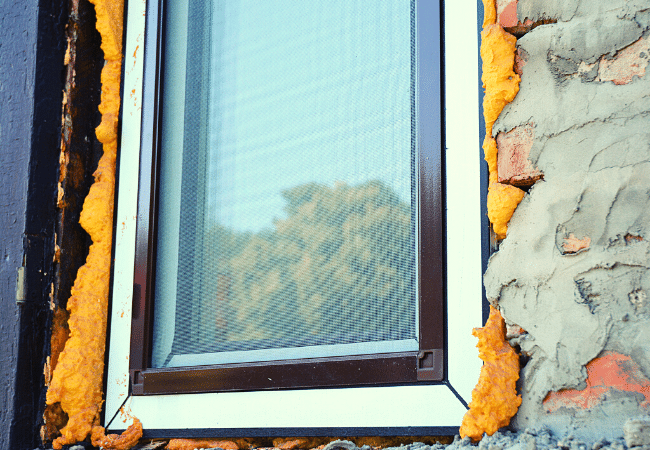
Spray foam solutions are available that are generally polyurethane-based. Foam can be used to cover gaps in roof tiles or the adhesive strips version can be used around doors and windows. To stop draughts from entering cracks or gaps, sealants can be used.

Here is a list of some of the different types of insulation:

1. Insulation for walls

Depending on what type of wall you have you can use:

A) Cavity wall insulation: There is a gap between inner and outer leaves. Through drilling holes, an insulator is installed on the wall. The cement is then refilled with it.

B) Solid wall insulation with no cavity. You can choose between external and internal insulation if you have solid walls. The exterior insulation covers most of the property’s facade, while the internal insulation is applied to the inner rooms.

2. Roof insulation

A) Warm loft. Insulating immediately below the roof. Although it is more costly than a cold loft, this is usually better insulation.

B) Cold loft insulation immediately above the ceiling on the top floor.

Insulation - Why is it Important?

3. Insulation of windows and doors

Double-glazing windows and doors are a must! This means you have at least two glass panels spaced a few millimeters apart, instead of one. Double glazing can also help protect your home from outside noise and keep it warm and quiet.

4. Floor insulation

It might be quite expensive so make sure you can afford it. This will depend on what type of floor you have. Modern houses usually have insulation under the concrete floor, while older homes with suspended floors may require additional investment. 

Good rugs can be used as floor insulation. You will feel more comfortable when you walk on this floor.

What’s the next step?

After you have optimized your home’s insulation you can give your home an energy-efficient final touch. Green energy systems can be used to heat your home and generate your electricity. 

These systems will eventually pay for their costs. You will be able to reduce your household’s carbon footprint, and in the long term, you can save a lot of cash!…

Read More
responsibilities in owning a home

Often Overlooked Responsibilities All Homeowners Should Know

Owning a home comes with responsibility. There are many things you need to keep in mind. You need to take care of your home so it remains in good condition and you can avoid expensive repairs or emergencies. 

From basic maintenance to bathroom renovations the costs of owning a home can be high, which is a reason people think twice about buying one. However, there are many advantages as well. 

Homeownership isn’t just about having a place to live. It’s an investment that needs to be protected. Let’s discuss some often overlooked responsibilities that every homeowner should think about.

Foundation maintenance

The foundation of your home should be assessed by a professional at least once per year. If there are any signs of water damage, you should get it fixed as soon as possible.

Too much water around your foundation can cause it to rise above its intended position, known as foundation upheaval. A sufficient drainage system for your home is not only the best preventative measure to avoid this, but is also critical to protect your home from flooding.

Often Overlooked Responsibilities All Homeowners Should Know

Maintaining the roof

It’s no secret that you need to keep an eye on the roof to be certain that it’s in good condition. An annual inspection is crucial to its longevity.

In addition, you’ll want to have your roof checked for any damage after any extreme weather. An experienced professional should handle this task, as they’ll know exactly what to look for. Things like loose shingles or even the smallest of holes can lead to extensive home damage. 

It’s also important to remember that your current roof won’t last forever. On average, asphalt shingles will need to be replaced every 15-20 years, assuming they haven’t sustained any damage. 

The hot water heater

Your hot water heater is an important part of your house that doesn’t often get the attention it deserves. In many cases, as long as our water is running hot, and there isn’t some sort of critical failure, we forget about it altogether. 

Simple tasks like testing the TPR valve every 6-12 months and draining the tank to rid it of any sediment at least once a year will increase both the lifespan and efficiency of the unit.

With proper water heater maintenance you can expect to get 6-13 years of use before needing a replacement. When that time comes, make sure you bring in a trusted professional to do the work.

Often Overlooked Responsibilities All Homeowners Should Know

Doors and windows

Like all other parts of your home, doors and windows need to be well maintained. This goes beyond just making sure they stay clean.

Doors and windows should always be properly sealed. This, along with insulating and controlling moisture in your home, is part of what’s known as weatherizing your home. 

As time goes on, weatherstripping becomes dry and brittle. As a result it’s no longer serving its intended purpose. This means outside air will be able to pass through, driving up utility costs such as electricity and gas. 

Another important factor to keep in mind is the material your exterior doors are made from. If you have any wood in your home, you’ll want to periodically check for any cracks. In most cases a crack in your door can be sealed, but more severe cases may require a full replacement.

Windows should also be checked for any cracks or loose panes of glass. Along with energy efficiency, cracked and loose panes can rattle and even break in high winds.

Final Words

Homeownership is an investment, and it’s important that you protect it. Remember that maintenance is just one of the things to consider before buying a house. Ensuring these homeowner responsibilities are completed can help you avoid costly repairs and make sure your home and its value are in good condition for years to come.…

Read More
Own Property in Mexico

Top 5 Best Places in Mexico to Own Property

Are you thinking of buying property in Mexico ? Do you want to know where to find it? Mexico is a country with a rich history, a welcoming culture, and spectacular landscapes that range from rich rainforests and rocky mountains to gorgeous white beaches on the Caribbean and Pacific coasts. It is also one of the most popular tourist destinations in the world. 

There are homes and condos available that can be purchased in Mexico. These properties are popular investments for international buyers. Before you make any investments in Mexico real estate, make sure you do your research. Each region is different, as you might expect from such a diverse country. Here are the top 5 best places to buy property in Mexico.

Puerto Vallarta

There are many great locations to purchase international real estate in Mexico. Puerto Vallarta, in the State of Jalisco, is one of the most sought-after destinations along the country’s Pacific Coast! The city is known for its beautiful cobblestone roads and charming Spanish colonial-style architecture, as well as its golden sand beaches and inviting restaurants and boutiques.

Puerto Vallarta is a popular destination for lovers, families, and people in the LGBTQ+ community which makes it the ideal place to find romantic, traditional-style apartments and homes in this area. It boasts beautiful views of the bay and mountains. A number of condominium developments are in development, with modern apartments available for sale. 

Own a Property in Mexico

Los Cabos

Los Cabos, located at the southern tip of Mexico’s Baja California Peninsula, is just 2.5 hours by plane from Los Angeles. This area is especially popular with West Coast residents. This 20-mile stretch includes San Jose del Cabo and Cabo San Lucas. Los Cabos is known for its beautiful beaches, championship golf courses, and luxurious resorts. You will also find the finest residences available for sale in Mexico in Los Cabos. Luxurious resort communities with luxury branding offer apartments that have stunning views of the beaches and golf courses.

Own Property in Mexico

Cancun

Cancun, Mexico’s most popular resort destination, welcomes more than 3 million tourists annually! Cancun’s “Zona Hotelera”, a 15-mile-long strip that is home to numerous hotels, marinas, and shopping, is the place that most foreign visitors are attracted to. It is also within easy reach of the beaches and clear, warm Caribbean waters. Cancun International Airport is located 6 miles from the Zona Hotelera which makes it the city’s main international gateway. 

Cancun’s strong tourism sector is well-established, successful, and easily accessible. It offers many investment opportunities, from condos and new construction villas in residential communities, to boutique hotel developments right on the beach and luxury homes right on the water. Cancun is one of the most affordable places to live in Mexico.

Own Property in Mexico

Tulum

Tulum, a favorite Caribbean coast jewel, is one of Mexico’s most treasured destinations. This small town was once a hidden gem that yoga enthusiasts loved to escape the hustle and bustle and spend more time in tranquil surroundings. Since then, it has emerged in style. The stunning coastline, 1000-year-old Mayan architectural remains, and boho vibe have earned Tulum into a global reputation that has made it one the most popular destinations in Mexico. 

Construction and real estate in Tulum have been greatly influenced by the influx of tourists. There are many gated communities that are home to many new condos and villas. These properties offer great opportunities for investors looking for a property to rent out or as a short-term rental investment.

Own Property in Mexico

Playa Del Carmen

Playa del Carmen, a tourist hot spot in the area, is becoming an even more popular destination than Tulum! Playa del Carmen, located approximately 40 miles north from Tulum, is a popular resort destination. It shares the Caribbean Sea’s turquoise waters with its smaller neighbor. Its tourism sector is a lot more advanced than Tulum. 

Playa del Carmen has great galleries and shopping, as well as adrenaline-filled activities like zip lining, river rafting, diving, and snorkeling on the reefs around Cozumel. There is also a variety of nighttime entertainment, from chic bars and restaurants, to music concerts and beach clubs. Investors have the chance to make a profit from Playa del Carmen’s tourism sector. These include condo and villa developments in Playa del Carmen, as well as luxury beach and golf destinations.

Own Property in Mexico

Conclusion

What is the best location for buying an apartment or condo in Mexico? It all depends on what you want to get out of where you live! Contact a real estate company that specializes in Mexican properties to learn more about finding your dream home in the best area of Mexico.…

Read More

Top Realtors KNOW International Real Estate

As real estate becomes more all over the world along with the improved transparentness and strength of the constantly evolving net, real estate professionals have huge opportunities to gain highly profitable international, long distance business to which they didn’t previously have access to.

This income opportunity is substantial.

Given the reports from 2017 we know that foreign real estate buyers accounted for a little over $153 billion of the overall purchases in the USA which ultimately would be an upturn of the earlier year of a massive fifty percent. Additionally this represents 10 percent of all nationwide real estate deals in the U.S.. That’s based upon NAR’s 2017 Profile of International Activity in U.S. Domestic Real Estate.

Adding to the appeal of this large and growing market segment, many of these deals present professionals a large paycheck. Along with the fact that many foreign buyers are affluent wealthy globalists looking to buy worthwhile opportunities and also premium luxury 2nd or holiday homes.

Still adding the international investor to your repertoire definitely won’t be as easy as acquiring them is generally complicated.

The leading distinction between working with the domestic populous rather than internationally, is the language concerns. In spite of this many international clientele pay people to break-down the language concern when really looking at investment in another country.

What country dominates international real estate buyers in the United States? China. Yes its true, China holds a huge half of the whole sales volume attributed to international buyers and yes, in spite of all the differences amongst how business is done in the language & countries

We will demonstrate how you can enter this sector of the real estate market place.

CPROP’s end to end electronic exchange administration platform is fashioned to present real estate brokers to foreign prospects and encourage them to safely and close deals with full transparency.

The start-up utilizes blockchain to authenticate and report activities related to deeds and closing paperwork. Additionally, it hopes to formulate a potent, user created professional network by providing its utility tokens to buyers and sellers who will also leave ranks and reviews of the brokers, agents and other service providers they go with on the platform.

Nowadays the real estate sector relies greatly on technology through the entire transactional processes from beginning to end Allow me to share a couple ways a real estate professionals can break into this valuable and growing portion of the industry.

Be A Part Of A Honest International Console

Then again positioning yourself in to the foreign marketplace and generating traction isn’t some thing which is going to be straight forward. Professionals looking to get high-dollar international buyer attention and confidence should look for platforms having an international audience and deliver a smooth link to buyers in a simple to use, efficient and trustworthy ecosystem.

Remember also that given your platform also boasts automated translations, this might also be a huge advantage.

Think Confidence And Safety

As the old saying goes, long-distance relationships almost never last, however in this instance they can and do you merely have to plan specifically with regards to working across different languages.

Two incredibly significant items to consider when involved in international real estate are security and trust. You need to protect yourself and your clientele while preserving the confidence of the other party.

This statement comes from Armando Galvan, a realtor in San Pancho, Mexico. Armando knows the trials of breaching this vertical and as such has ridden out the tough years and come out the other side and now appreciates their domination in their region with international buyers.

The most effective tips on how to protect transactions lies with block-chain tech. Anytime a contract is concluded and carried through, it could possibly be recorded to the blockchain, generating an immutable distributed ledger confirmed by a network of possibly thousands of computers, thus effectively avoiding any hidden changes to a contract.

Blockchain technology is also advantageous to the buyer by delivering a secure reliable method to position money in escrow.

Locate Accountable, Streamlined Collaboration

Closing sales with domestic buyers is complex enough, and yet when buyers are international, agents will need to take even greater care to establish a smooth transaction.

No one knows this better than Brett Elliott of Costa Rica Real Estate dot COM (CRREC) a dominant force in facilitating international investors in Costa Rica.

With Spanish the central language in Costa Rica, and most of our foreign buyers coming from the US and Canada, we require all agents be bilingual.

Understanding the moving parts of your pending clients, leads and deals is vital to your triumph. Have you any idea about the real time status of any individual in your pipeline right this moment? If not you really should.

Everything being said, couldn’t you acknowledge that an all-inclusive online digital transactions SaaS system intended to accommodate foreign real estate transactions from start to finish, become a welcome improvement to all real estate agents? Let’s face it, any real estate broker doing work with international prospective buyers and sellers could easily reap the benefits of a complete SaaS software that not only simplifies communications but will also ensures security for each sides.…

Read More

Most Affordable Places to live in Canada

While there are people who want to live in most luxurious areas and homes, most of the population wants a place where they can easily afford to live while enjoying the basic luxuries of life. When we talk about the most affordable places to live, we can’t take into account to low rates of houses or low rents but we also have to keep in mind the employment condition or state of that place as well. If you manage to find a place where the rents are low but there are not enough jobs, so you won’t be able to afford that low rent as well. So keeping in mind these factors, let’s look at the most affordable places to live in Canada.

Kingston, Ontario

Kingston has a good history of being named as the best city to retire to in Canada, which gives you an idea it offers a great quality of life while not coming with an expensive price tag. In Kingston, the median house price is about $300,000. 

Regina

With a jobless rate of only 5.2% last year and an average house price of almost $317,000, Regina is considered as one of the most affordable places to live in Canada. There was an increase of almost 2% in new jobs created in Regina last year

Hamilton

Hamilton is located in the province of Ontario and has a population of over 500,000. Hamilton is known for its low cost of living and it’s almost 40% cheaper that New York City. There are plenty of business and jobs opportunities which makes it very easy for us to include in our list of most affordable places to live in Canada.

Quebec City

Quebec City is also considered as one of the most affordable places to live in Canada because of its 4.3% jobless rate and an average house price of only $245,000. Quebec City also haven’t seen an increase in the house prices over the last couple years.

Halifax

While we see a 6.1% unemployment rate, which is more than the places we have mentioned before, Halifax still makes our list of one of the most affordable places to live in Canada because of its average house price of $306,240 and a continuous addition of jobs in the previous years.

Read More